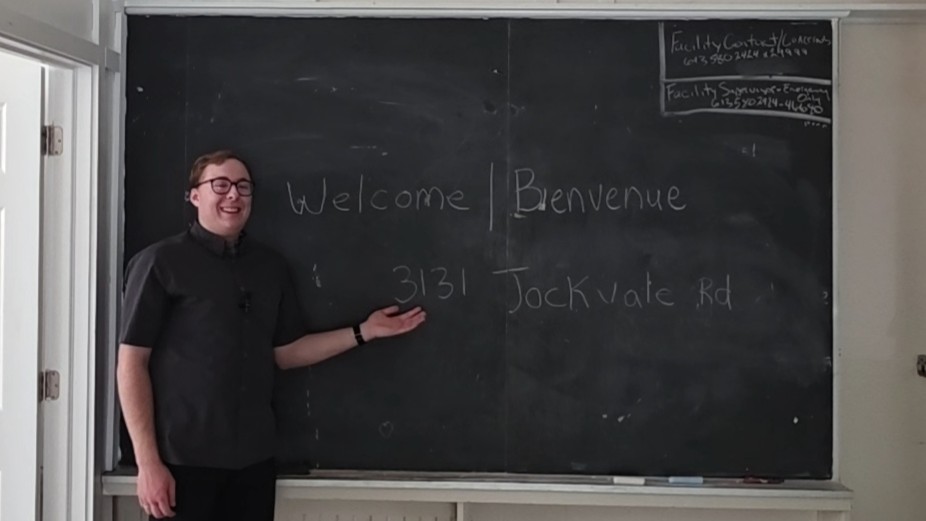
Last week, I had the opportunity to visit the Jockvale Schoolhouse and explore every nook and cranny of the historic place – a unique experience at a unique Barrhaven landmark.
First opened in 1906, the Jockvale School, SS No. 10 Nepean, served generations of students until its closure in 1965. Fast forward to 2025, and the City of Ottawa has listed the historic building for sale for about $1 million, which City Councillor David Hill says is in order “to effectively revitalize the site.” The building is designated as a heritage site, which means that the exterior is protected and must remain in its original appearance, but the interior can be modified.
After learning about the potential sale of this building, I reached out to Councillor Hill’s office to arrange a visit to the site as I am in the midst of conducting historical research for my upcoming book and docuseries about the history of Barrhaven. Graciously, Councillor Hill’s wonderful staff helped arrange a visit for me, and what en excellent opportunity that was. While visiting, I met another Barrhaven history researcher, Brian Woodard, who was there doing some of his own historical documentation, also sharing his in-depth knowledge of this place with me.
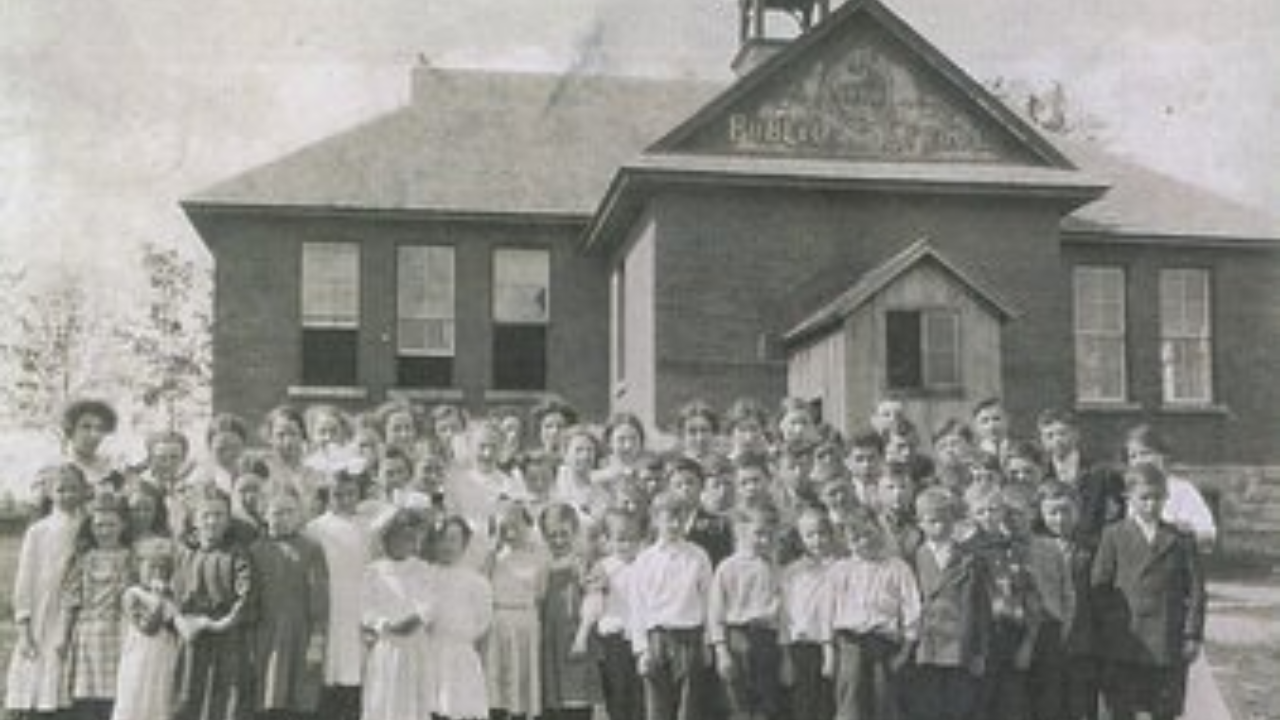
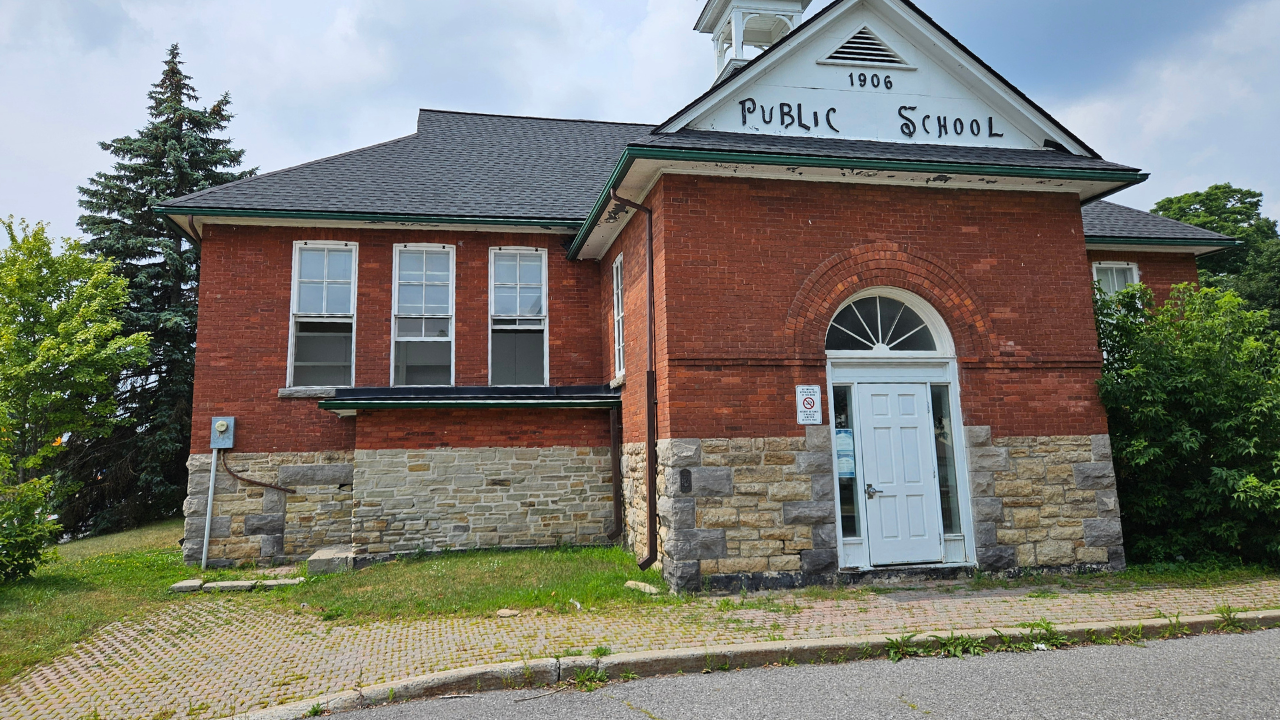
Current day image from Brian Woodard, 2025
On my visit, I had the opportunity to explore the building inside and out, and realized what a gem this place truly is to our community. This building predates the busy suburb of Barrhaven as we know it by well over half a century, yet the building echoes of the long history behind our community.
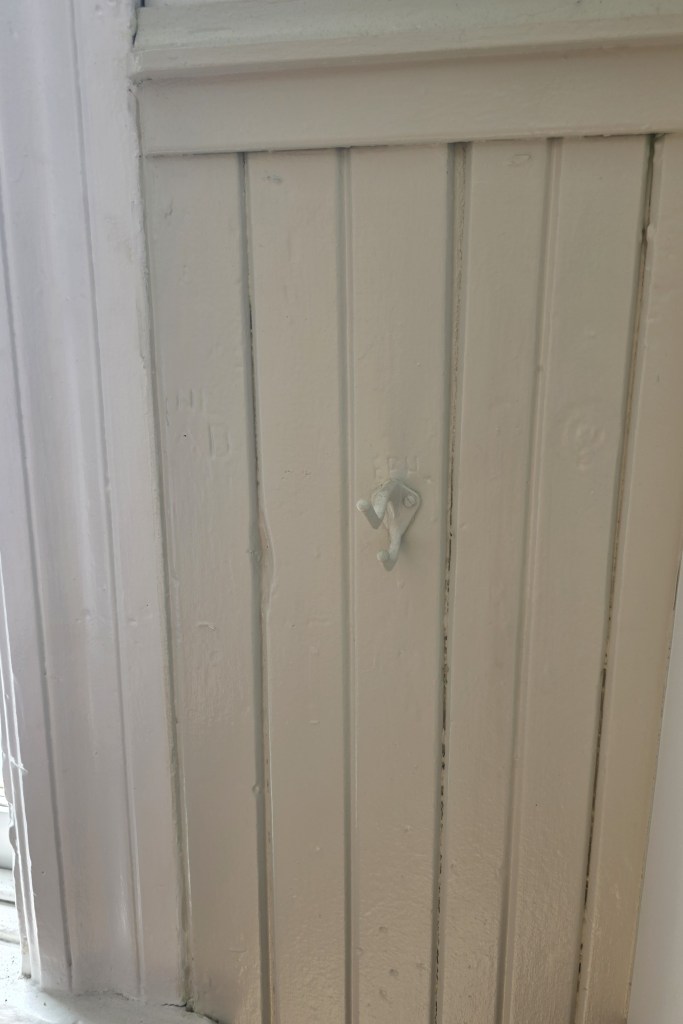
As strange as it may sound, I made my most interesting discoveries of the history of this place by looking at the walls. As the old saying goes, and as Brian reminded me, “if walls could talk,” was relevant and true in my visit. Most of the wood panelling on the walls, although painted over many times, is original, and through many of the knots and crevices, the original features are present.
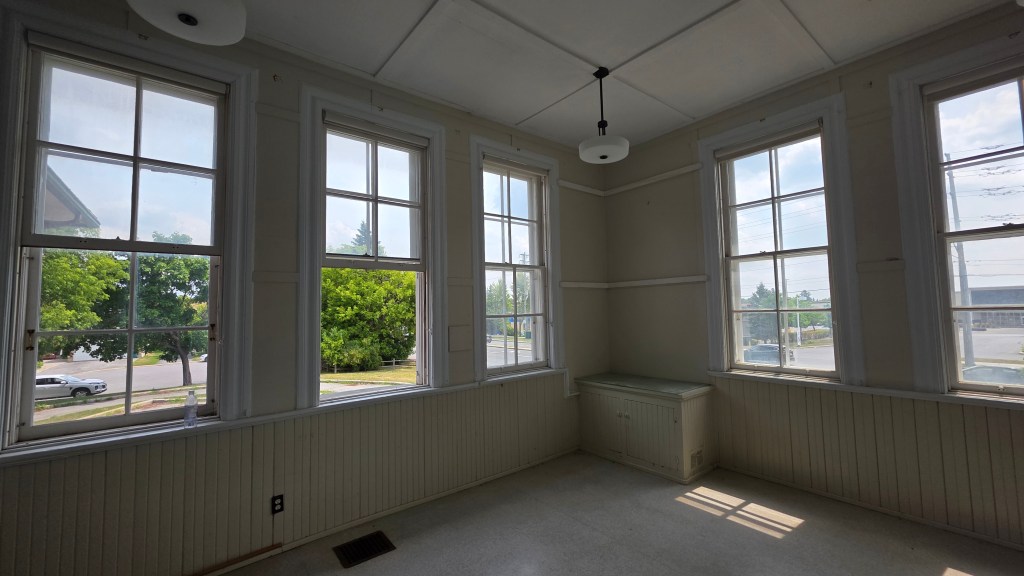
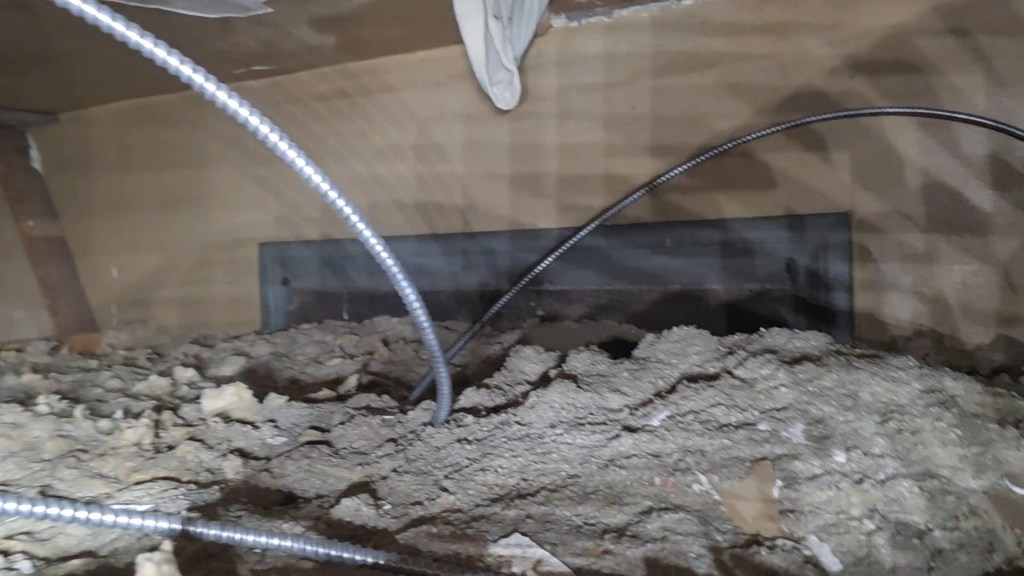
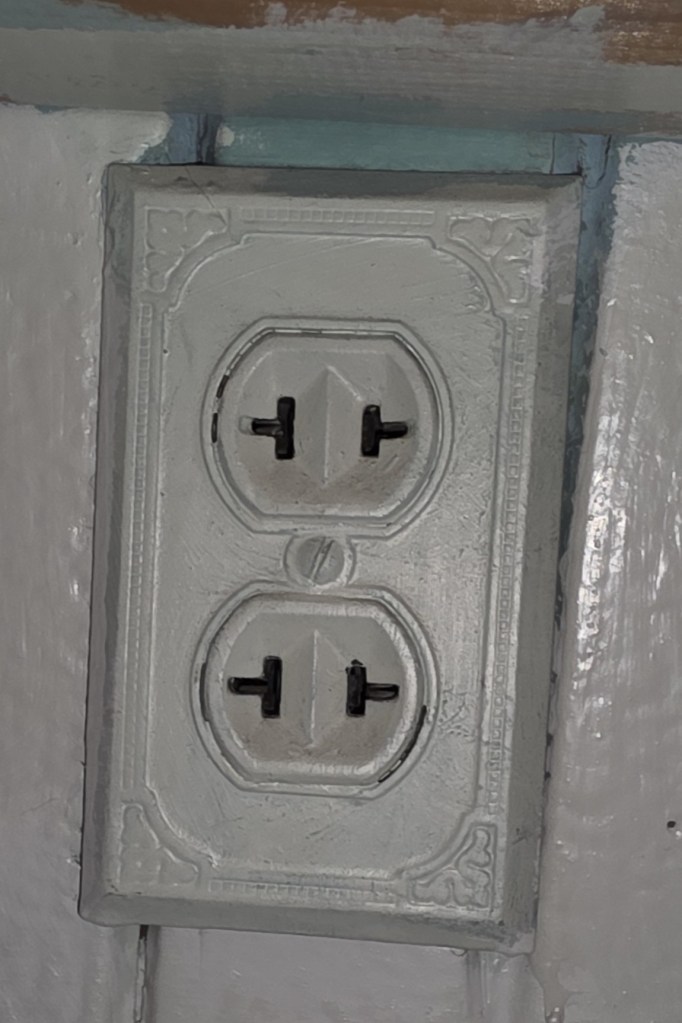
In exploring the original classrooms, finding some vintage features like the chalkboards, or something even as small as the detailing on the electrical outlet covers shows the craftsmanship of generations past.
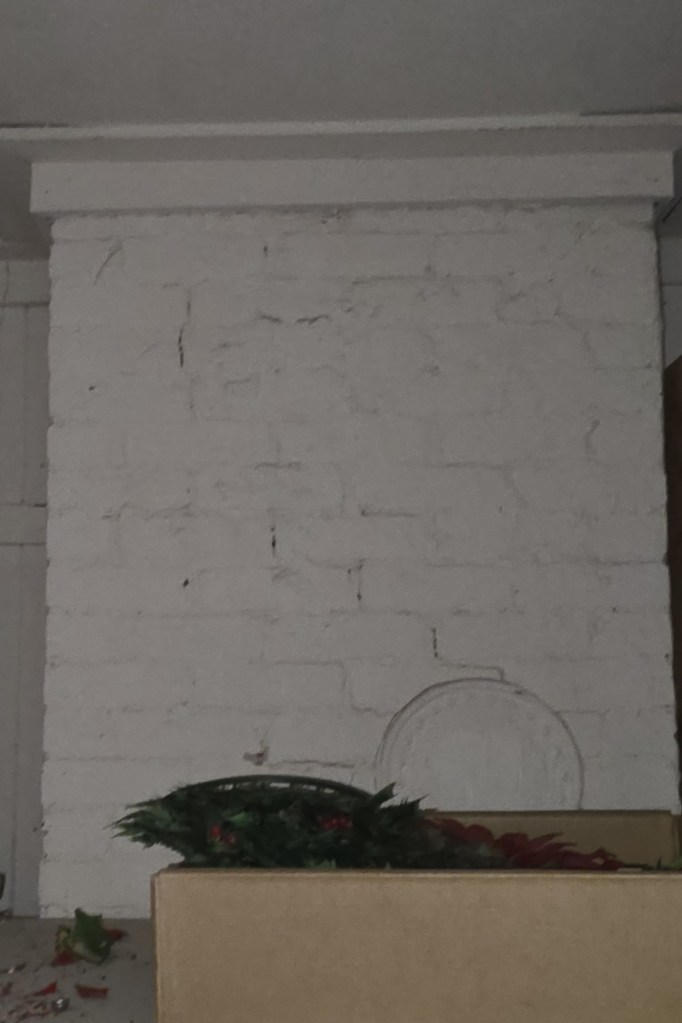
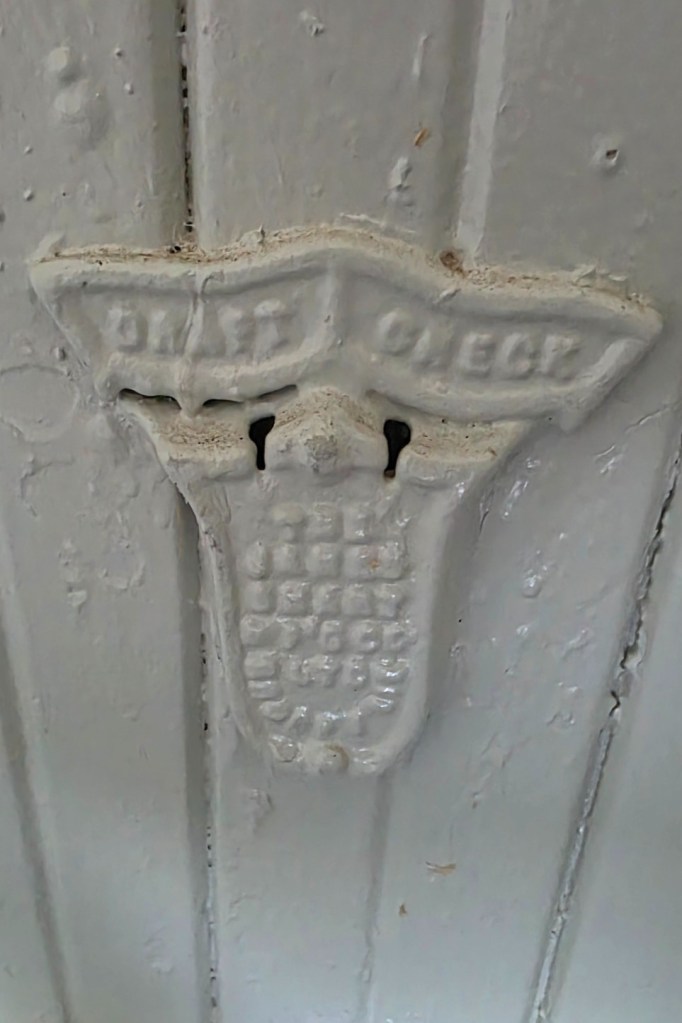
Besides the main area of the schoolhouse, which includes the classrooms and the kitchenette, there are a few other areas of the schoolhouse to explore. One is the vestibule, which features a few steps up from the front entrance. It features access to both classrooms, as well as the boys’ and girls’ washrooms, which were the respective cloakrooms in the past. Still present in the girls washroom are two wall hooks from its time as a cloakroom.
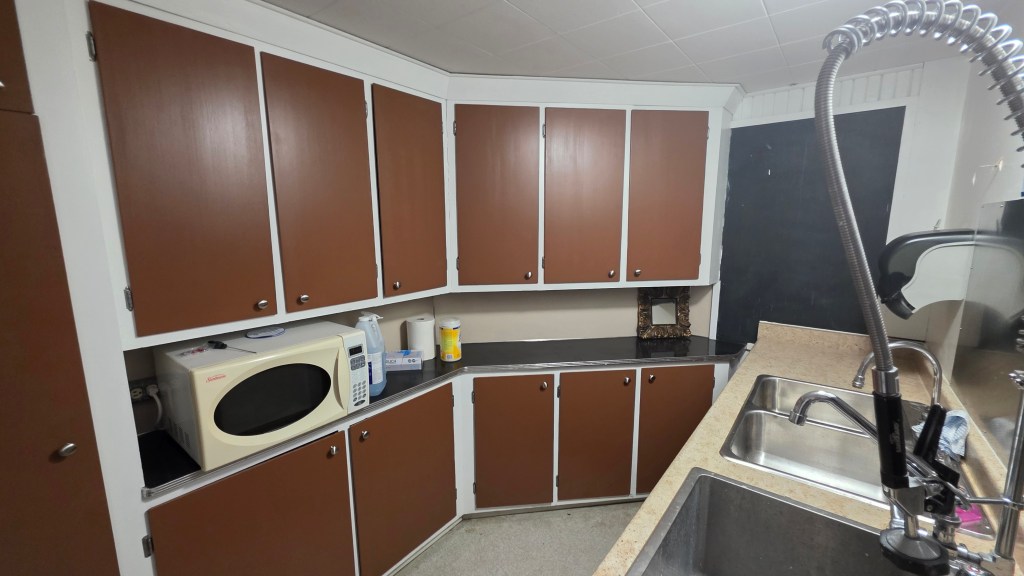
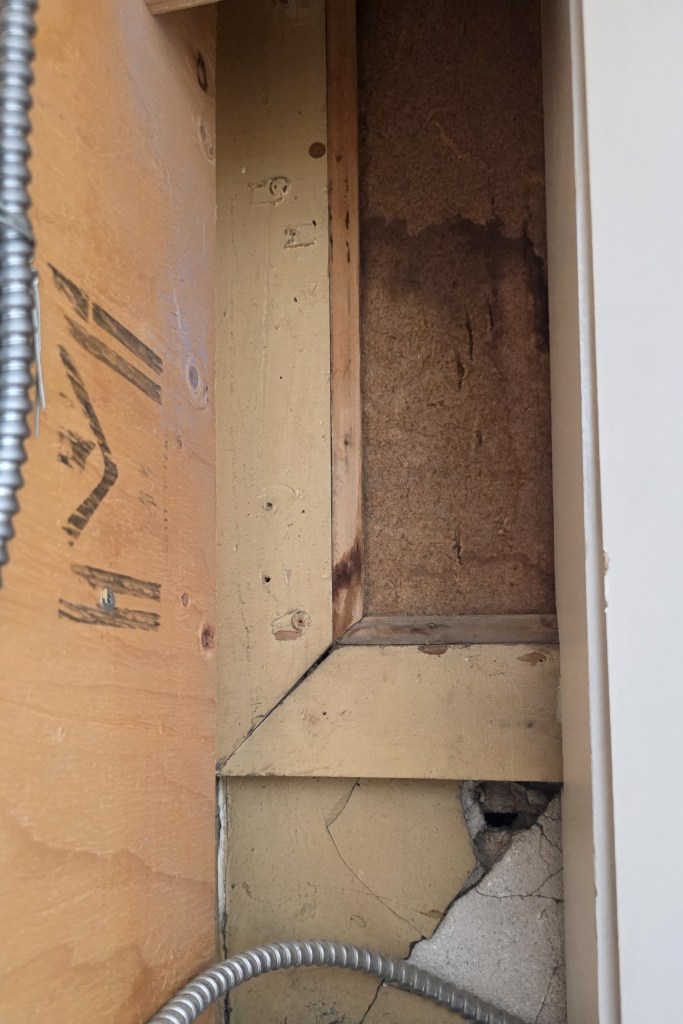
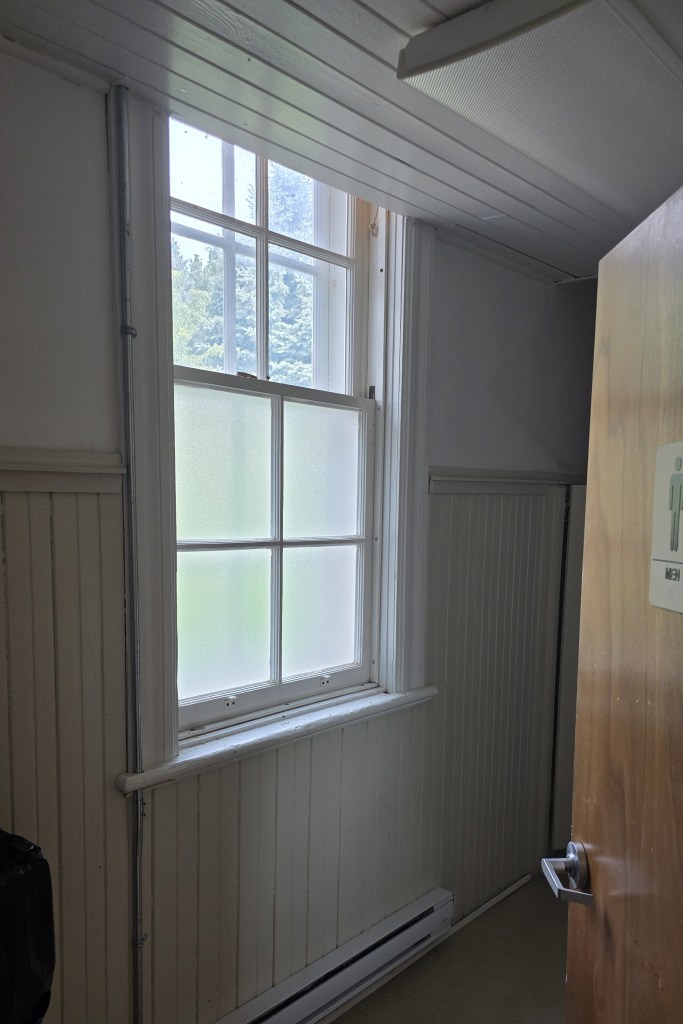
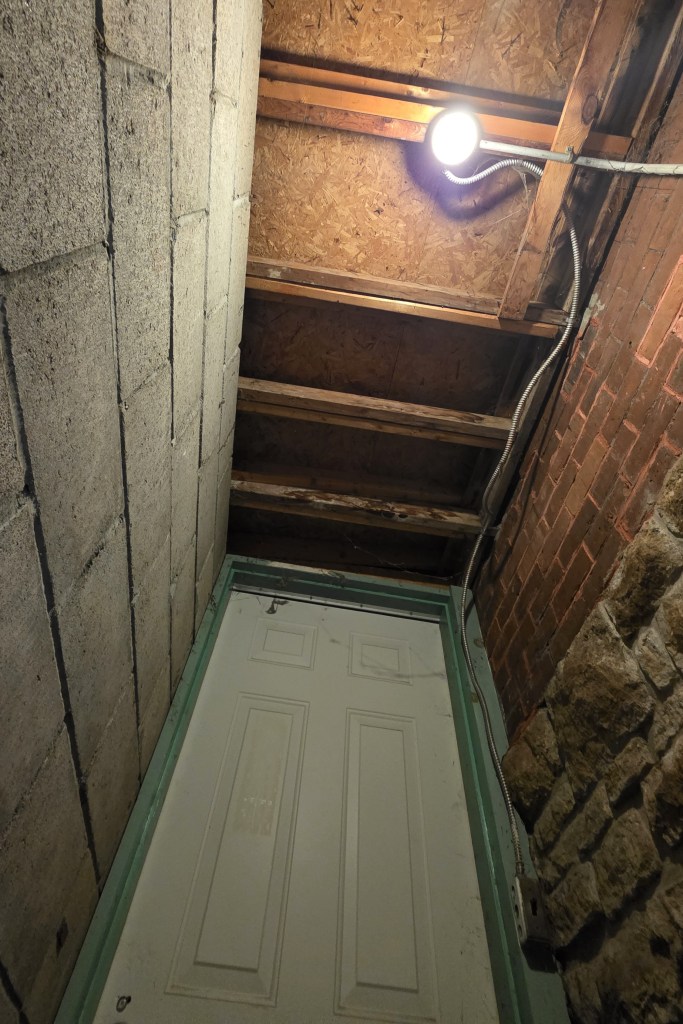
The other main area of the schoolhouse is the basement, which has been upgraded over the years. The main area is quite bare of any historical elements, but there is a story that lies within the utility rooms. In the room beneath the vestibule, some of the stone foundation is present, as well as a hole for what was once a large window. A similar sight lies in the furnace room, with more exposed foundation, and more covered windows. There is also an exit to the outside with a small staircase, which was an addition at a later date.
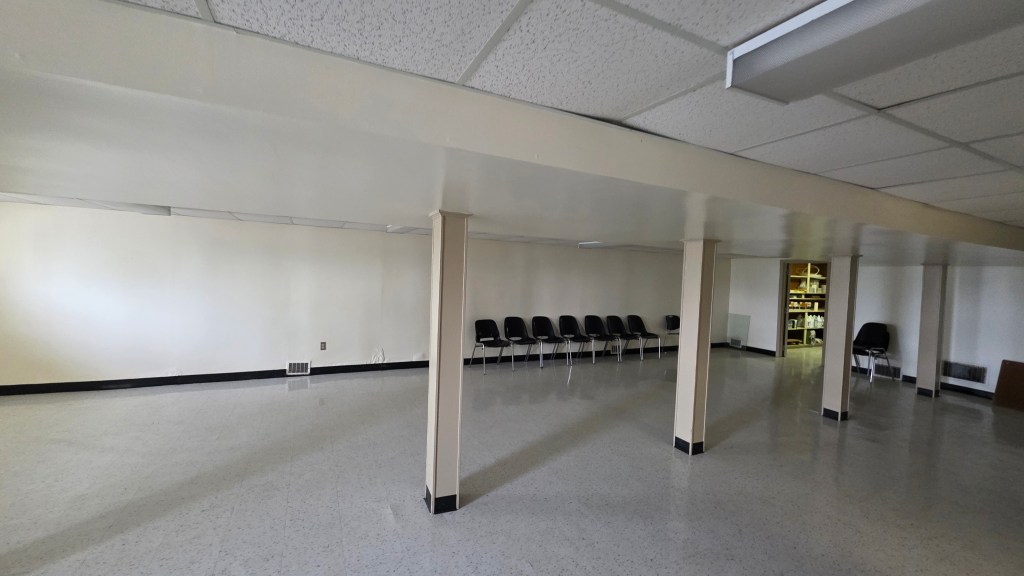
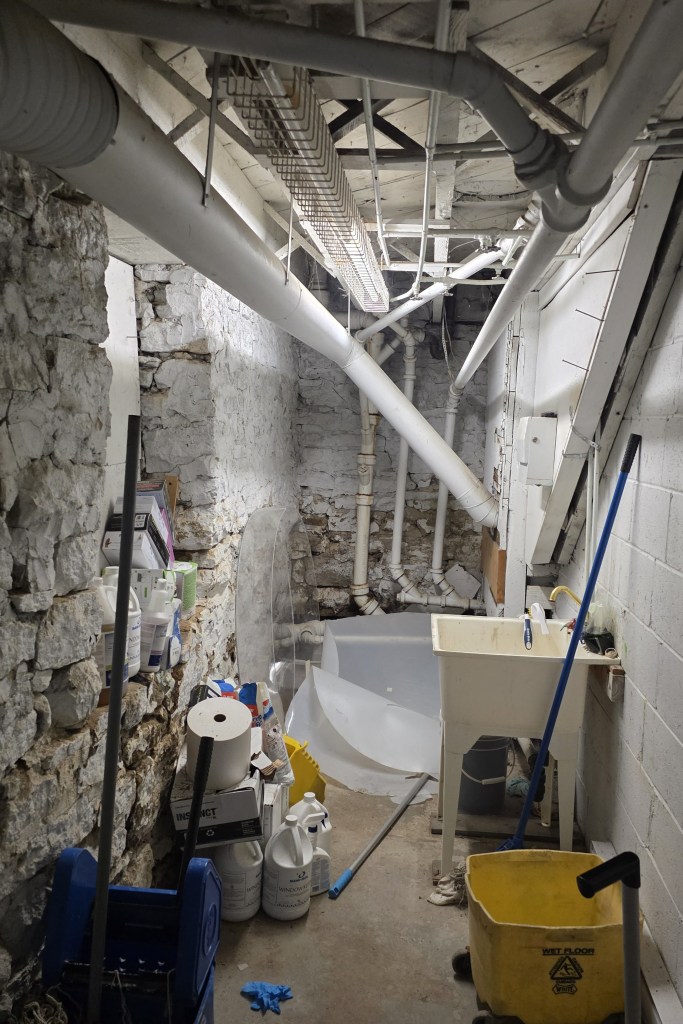
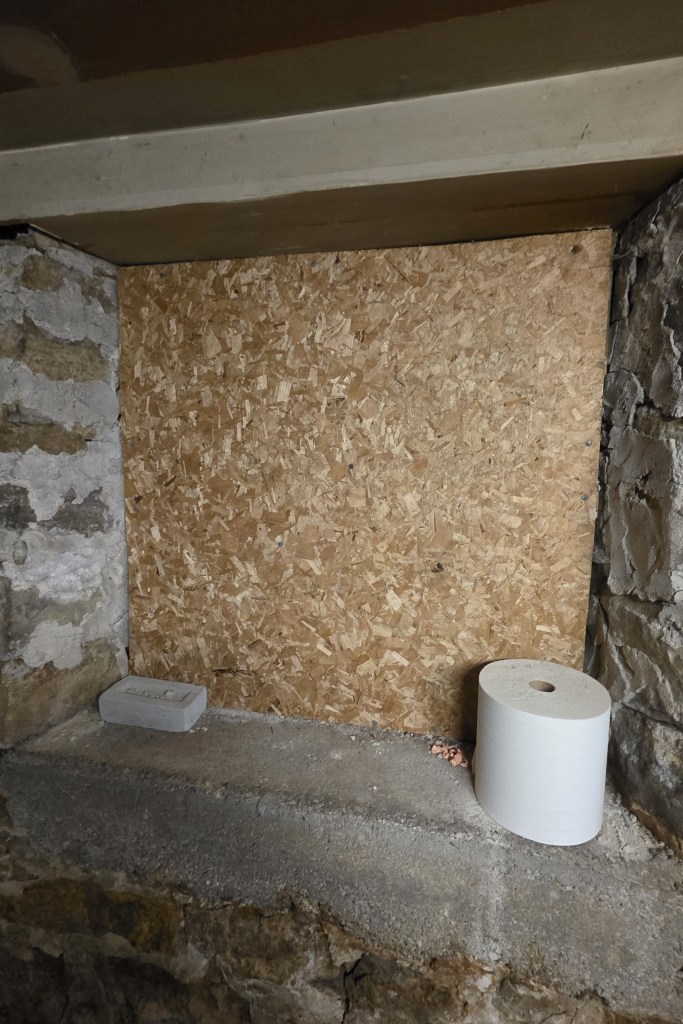
By exploring just a few of the images of this historic site in our community, the historical value of this building is more prevalent than ever. In an ever-growing community like Barrhaven, very few fixtures of what originally stood in this place remain, yet the hidden gems like the Jockvale Schoolhouse remind us of the stories of generations past. The story of SS No. 10 is far more vast and holds deeper meaning than can be written in a simple article, and I am working towards bringing the full story to life soon in the upcoming Building Barrhaven docuseries and book.
Finally, a special thanks to all who have reached out in the past week to share their stories or their families’ stories about the Jockvale Schoolhouse, and more broadly about the history of Barrhaven. As always if you have any stories to share about the history of Barrhaven, or if you have any questions or comments about the project, feel free to send me an email anytime to vincenzo@vincenzocalla.com, I would love to speak with you.

 Building Barrhaven
Leave a comment